Emergency Dentist Plano, TX: Urgent Care for Chipped Teeth
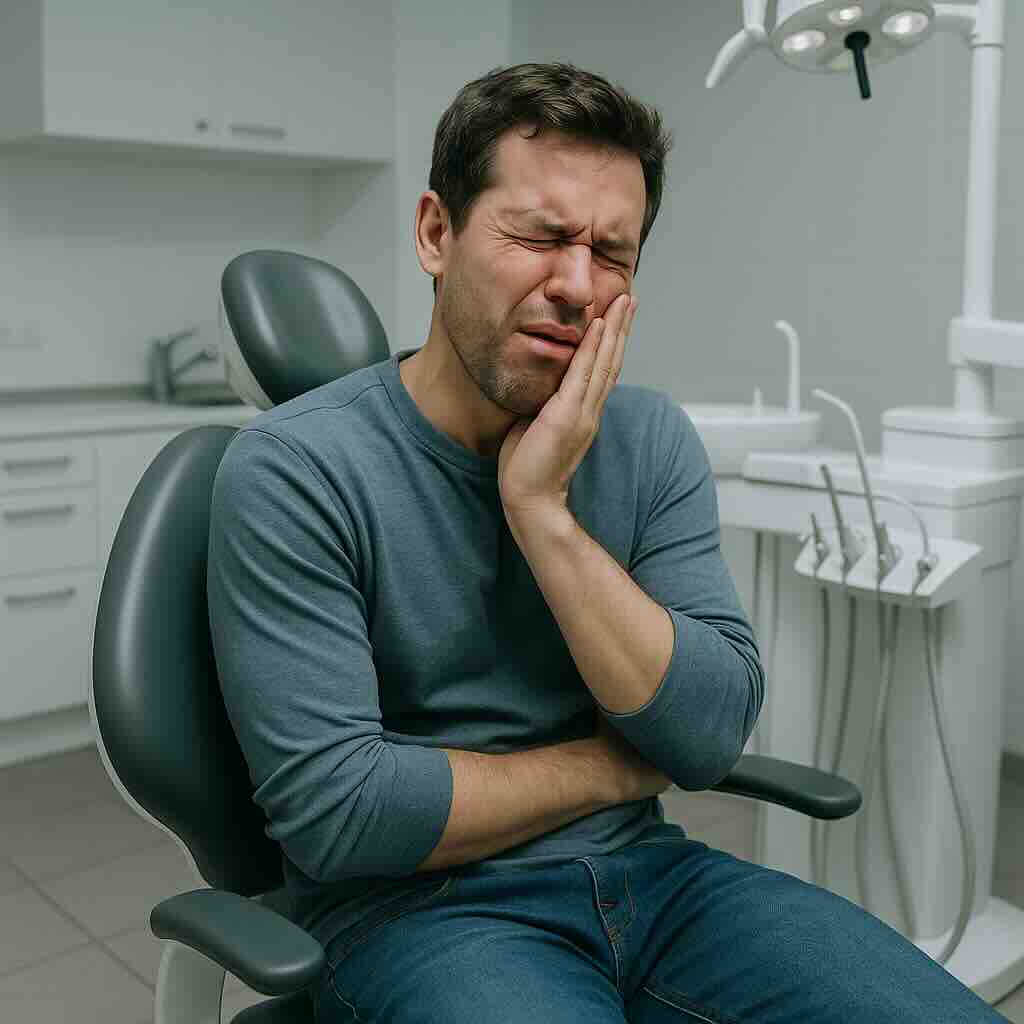
A chipped tooth can feel minor for about thirty seconds. Then your tongue finds the sharp edge, cold air starts to sting, and the questions arrive fast. Is this an emergency? Can it wait until next week? Did the nerve get exposed? If the piece broke off while eating, where did it go?
For many patients, the first surprise is how often chipped teeth happen during ordinary moments. It is not always a dramatic sports injury or a fall on concrete. A popcorn kernel, a fork, an ice cube, or an old filling that weakens the remaining enamel can be enough. In Plano, where busy schedules push people from work meetings to school pickups to weekend activities, dental injuries often get put off longer than they should. That delay can turn a repairable chip into a more painful, more expensive problem.
When you need an Emergency dentist Plano, TX residents can rely on, the immediate goal is simple: protect the tooth, control pain, and prevent the damage from spreading. The right response depends on what actually chipped, how deep the fracture runs, and whether the pulp, the living tissue inside the tooth, is involved. A tiny enamel nick and a large corner fracture may both be called a “chip” by patients, but they are not the same clinical situation.
Not every chip is equal
One reason chipped teeth create so much confusion is that the word covers a wide range of injuries. A small flake from the biting edge of a front tooth may be mostly cosmetic. A molar that loses a cusp can leave dentin exposed and become extremely sensitive within hours. A cracked tooth can also masquerade as a chip, especially when the visible defect seems small but biting pressure produces a sharp, electric pain.
Dentists usually think about chipped teeth in layers. If only enamel is involved, the tooth may feel rough but not terribly painful. Once the chip reaches dentin, sensitivity to cold, sweets, and air becomes much more likely. If the fracture extends close to or into the pulp, the pain can escalate, and the risk of infection rises. This matters because treatment options change quickly as the depth increases.
The location also matters. A front tooth chip is often noticed immediately because it changes the smile and speech. A back tooth chip may go ignored until chewing becomes difficult or a jagged edge cuts the cheek. Molars absorb heavy force, so even a small lost section can alter the bite and stress the remaining structure. I have seen cases where patients tried to “baby” one side of the mouth for a week, only to crack the weakened tooth further because the unsupported enamel kept flexing.
When a chipped tooth becomes a true dental emergency
There is no benefit in dramatizing every broken tooth, but there is also no value in minimizing one. The line between urgent and can-wait depends on symptoms, size, and risk.
You should treat a chipped tooth as urgent if you have significant pain, visible bleeding around the tooth, swelling, temperature sensitivity that lingers, or a large missing piece that changes your bite. It is also urgent if the tooth looks darker in the center, which can mean deeper tissue is exposed, or if the chip followed trauma to the face. Children and teens deserve particular caution because a young tooth can respond differently after impact, even when the chip looks modest from the outside.
Sometimes the emergency is not the chip itself but what comes with it. A broken cusp on a molar can trap food and bacteria immediately. A front tooth fracture after a sports collision may be accompanied by a loose tooth, lip laceration, or root injury. In those moments, an Emergency dentist Plano, TX patients contact should be equipped to sort out both the visible break and the less obvious damage beneath it.
What to do in the first hour
The first hour after a chip is less about fixing the tooth and more about preventing a manageable problem from worsening. Patients often do one of two things wrong. They either ignore it because the pain is not bad yet, or they poke at the area, chew around it, and accidentally enlarge the fracture.
If a tooth chips, take these steps:
- Rinse your mouth gently with lukewarm water to clear debris.
- If there is bleeding, apply light pressure with clean gauze.
- Save any broken piece if you can find it, placing it in a clean container.
- Use a cold compress on the outside of the face for swelling or soreness.
- Call a dental office promptly, especially if pain, sensitivity, or a large fracture is present.
That brief response can buy valuable time. It reduces contamination, helps with discomfort, and gives the dentist a better chance of restoring the tooth conservatively. Over-the-counter pain relievers may help, but aspirin should not be placed directly on the gum or tooth, a surprisingly common home remedy that can irritate soft tissue. Dental wax, if available, can cover a razor-sharp edge temporarily. Sugar-free gum can serve as a short-term substitute in a pinch, though it is not ideal.
One practical point that gets overlooked: do not keep testing the tooth. Patients often tap it with a fingernail, sip cold water repeatedly, or bite down “just to see.” Those checks rarely provide useful information and can aggravate inflammation.
Why timing matters more than many people think
Enamel does not heal itself. Once a piece is gone, the remaining tooth is often less stable than it feels at first. This is especially true when a chip forms along a weakened area, such as around an old filling or where decay has hollowed the tooth from within. A fracture that seems unchanged at breakfast can split more dramatically by dinner if you chew on it.
There is also the issue of contamination. Dentin is more porous than enamel. When it is exposed, bacteria and fluids can move inward more easily, increasing sensitivity and the risk of pulp irritation. That does not mean every deep chip leads to a root canal, but delayed care narrows your options. A same-day smoothing or bonding procedure may preserve the tooth with minimal intervention. Wait too long, and the same tooth may need a crown or endodontic treatment because symptoms progressed.
Patients are sometimes surprised that cosmetic-looking chips deserve prompt care too. Sharp edges can slice the tongue or inside of the lip over and over. Repeated trauma makes eating uncomfortable and can interfere with speech. A small repair done early is usually simple. A neglected edge can become a source of constant irritation.
What an emergency dental visit in Plano usually involves
A good urgent care dental appointment is focused and efficient. The dentist first needs to determine whether the injury is isolated to the enamel, extends into dentin, threatens the pulp, or involves the root or surrounding bone. That means a visual exam, bite evaluation, and often dental X-rays. In trauma cases, photographs can also help document the original appearance before treatment.
Patients often hope the solution will be obvious immediately, but diagnosis sometimes takes judgment. For example, a tooth can show a modest chip while the main problem is a crack line extending much farther than the missing piece suggests. Another tooth can look dramatic because a visible corner broke away, yet remain structurally straightforward to repair. Symptoms, the pattern of the fracture, and radiographic findings all have to line up.
In Plano practices that handle urgent dentistry regularly, the appointment is usually designed to answer three questions fast. Is the tooth restorable? Does the nerve appear threatened? Can a definitive repair be completed today, or is a protective temporary step safer while the tooth is monitored or referred? That approach keeps patients from being overtreated when a simpler fix will do, but it also avoids the opposite problem, which is placing a cosmetic patch over a fracture that really needs stronger protection.
Common treatments for chipped teeth
Treatment is driven by how much tooth structure was lost and how strong the remainder is. Small chips often respond beautifully to conservative care. Larger fractures may require reinforcement.
A dentist may recommend one of the following:
- Smoothing and polishing for tiny enamel chips with no sensitivity.
- Tooth-colored bonding to rebuild shape and seal exposed dentin.
- A porcelain veneer when the front tooth needs stronger cosmetic restoration.
- A crown when a large portion of the tooth is missing or weakened.
- Root canal therapy if the pulp is damaged or infected, often followed by a crown.
Bonding is one of the most useful emergency tools in dentistry because it can often be done quickly, looks natural, and preserves healthy tooth structure. For front teeth, a skilled clinician can match contour and color remarkably well. That said, bonding has limits. On a heavy-biting molar or a tooth with a large missing cusp, a bonded patch may not hold up under force long term. In those cases, a crown offers better protection.
Veneers occupy a middle ground. They can be excellent for certain front tooth chips, especially when appearance is a major concern and the surrounding enamel is suitable. But they are not universal emergency solutions. If the fracture is large, the bite is unstable, or the tooth is symptomatic, the priority is biological stability first and appearance second.
Root canal treatment carries a lot of anxiety for patients, yet sometimes it is exactly what saves a badly chipped tooth. When the pulp is irreversibly inflamed or exposed, sealing over it without addressing the inner damage only postpones pain. Done for the right reasons, endodontic therapy removes the source of infection or severe inflammation and allows the tooth to function again, usually under the protection of a crown.
The difference between a chip, a crack, and a fracture that reaches below the gumline
Patients use these terms interchangeably, but the distinctions matter. A chip usually refers to a missing piece of enamel or tooth structure that is visible above the gumline. A crack can be a line running through the tooth without a large piece missing. A more severe fracture may extend vertically under the gum and into the root area.
Below-gum fractures are where treatment decisions become more complicated. If the break violates the biologic space that the gum and bone need to stay healthy, a simple filling is not enough. Depending on the tooth, options may include crown lengthening, orthodontic extrusion, specialist treatment, or extraction if the fracture is not restorable. This is one reason self-diagnosis can be misleading. What looks like “just a chip” in the bathroom mirror can hide a deeper structural problem.
Pain patterns that tell dentists a lot
Pain from a chipped tooth is informative when patients describe it clearly. A quick zing to cold that disappears immediately often points to dentin exposure without major pulp involvement. Pain when biting down, especially on release, raises suspicion for a crack. Throbbing that develops on its own, wakes you at night, or lingers after hot or cold can suggest the nerve is inflamed beyond recovery. Swelling or a bad taste may signal infection.
That said, absence of pain does not guarantee a harmless injury. Some teeth fracture without much sensitivity, especially if the damaged area is old and the nerve has already receded over time. I have seen patients walk in calm and comfortable with a molar missing nearly half its chewing surface. They only came because food kept packing into the hole. The tooth still needed prompt reinforcement before the remaining walls split.
Practical concerns before you get to the office
Eating with a chipped tooth is mostly about avoiding leverage. Soft foods are safest, and chewing on the opposite side helps if that side is comfortable. Hard bread crusts, nuts, chips, ice, and sticky candy are poor choices because they either wedge into the defect or stress the weakened edge. Very hot or cold drinks may Emergency dentist Plano, TX trigger pain if dentin is exposed.
If the sharp area is irritating your tongue, cover it temporarily with dental wax from a pharmacy. Avoid household glues or repair kits not meant for intraoral use. Those products can complicate care and expose tissue to chemicals that have no business in the mouth. Temporary filling material from a pharmacy can sometimes help for a lost filling, but for a fresh fracture it is a stopgap, not a fix.
One small but important tip: if facial trauma caused the chip and you have jaw pain, difficulty opening, dizziness, or persistent bleeding, you may need medical evaluation in addition to dental care. Dental injuries do not always travel alone.
Chipped baby teeth versus adult teeth
Parents often hesitate when a child chips a tooth because the instinct is to think, “It is only a baby tooth.” Sometimes that is true in the sense that a small, smooth chip may only need monitoring. But baby teeth still guide speech, chewing, comfort, and space for permanent teeth. More importantly, a traumatic hit to a baby tooth can affect the developing adult tooth underneath, depending on the child’s age and the direction of the injury.
Adult teeth bring different concerns. They are expected to last decades, so preserving structure matters. A conservative repair done early can make a meaningful difference over the life of the tooth. Every future restoration tends to be a little larger than the one before it. That is why timely management with an experienced Emergency dentist Plano, TX families trust can be so valuable. Good emergency care is not just about getting out of pain today. It is about not sacrificing more tooth than necessary.
What often causes chipped teeth in adults
In day-to-day practice, chipped teeth tend to cluster around a few patterns. One is accidental trauma, often sports-related or caused by a fall. Another is chewing force on a tooth that was already compromised by a large filling or undetected decay. A third is parafunctional habit, meaning grinding, clenching, nail biting, opening packages with teeth, or chewing ice.
Grinding deserves special mention because many people do not realize they do it until the damage appears. Teeth under chronic nighttime clenching can develop tiny craze lines and weakened cusps. Then one normal meal finishes the job. The patient blames the sandwich when the real issue has been six months or six years of overload. In those cases, repairing the chip without addressing the bite or discussing a night guard may lead to repeat fractures.
Cost, urgency, and treatment trade-offs
Patients understandably want two things from emergency care: fast relief and a sensible bill. Sometimes those goals align cleanly. A small bonded repair is often efficient and affordable relative to more extensive treatment. Other times there is a trade-off. A temporary smoothing or protective buildup may solve the immediate problem, while a crown is the better long-term answer. Good dentists explain that distinction plainly.
There are also moments when doing less at first is the right call. After a traumatic impact, a tooth may need time and follow-up testing before the final prognosis is clear. Placing a definitive restoration too early can be premature if the pulp response is uncertain. On the other hand, postponing protection on a badly weakened molar can invite catastrophic failure. The right decision depends on the tooth, the symptoms, the radiographs, and the patient’s bite.
This is where experienced judgment matters more than any generic advice online. The phrase Emergency dentist Plano, TX should mean more than same-day scheduling. It should mean the office knows how to separate what must be done today from what can safely wait, and how to protect the tooth while preserving options.
Preventing the next chip
Prevention is rarely glamorous, but it works. Mouthguards for sports reduce obvious trauma. Night guards can be a smart investment for grinders when recommended based on actual wear patterns and symptoms. Replacing failing fillings before they undermine the remaining enamel can prevent a sudden break at dinner. So can treating decay before it hollows out the inside of a cusp.
Diet plays a role too, though not in a simplistic way. Most adults know not to chew ice, yet many still do it absentmindedly. Popcorn kernels are another repeat offender. So are pistachio shells opened with teeth, hard candy cracked instead of dissolved, and utensils that strike front teeth while eating quickly. None of this means people must become fearful of normal eating. It means respecting the fact that enamel is strong but not invincible, especially when Emergency dentist Plano, TX an old restoration or a heavy bite has already stacked the odds.
If you have already chipped one tooth, it is worth asking why. Was it bad luck, or was the tooth warning you? That question often uncovers the real long-term solution.
Choosing the right urgent dental help in Plano
Availability matters in an emergency, but it should not be the only criterion. A chipped tooth needs more than a quick patch from whoever answers the phone first. Look for a practice that handles urgent cases routinely, offers diagnostic imaging, and can discuss both immediate and lasting treatment paths. If sedation is important to you because dental emergencies trigger intense anxiety, ask about that as well.
Communication is a strong predictor of a good experience. Patients should leave understanding what broke, how deep it goes, what was done today, what might happen next, and what symptoms would require follow-up. Vague reassurance can be comforting for an hour, but clarity is what prevents surprises later.
A chipped tooth rarely happens on a convenient day. It shows up before a presentation, before a family trip, or late on a Friday when every sharp edge feels sharper. Prompt care can make the difference between a simple repair and a much bigger intervention. If pain, sensitivity, or a visible break has you searching for an Emergency dentist Plano, TX, treat that search as worthwhile urgency, not overreaction. Teeth tend to reward timely decisions.
Vitality Dental
1220 Coit Rd # 106, Plano, TX 75075, United States
+1 972-645-4100
FAQ About Emergency dentist Plano, TX
Will the ER do anything for dental pain?
An emergency department can assess urgent symptoms and provide medical stabilization. Definitive treatment of the tooth usually requires a dentist. Seek emergency medical care for breathing or swallowing difficulty, uncontrolled bleeding, or serious facial injury.
What to do if I have a dental emergency in the middle of the night?
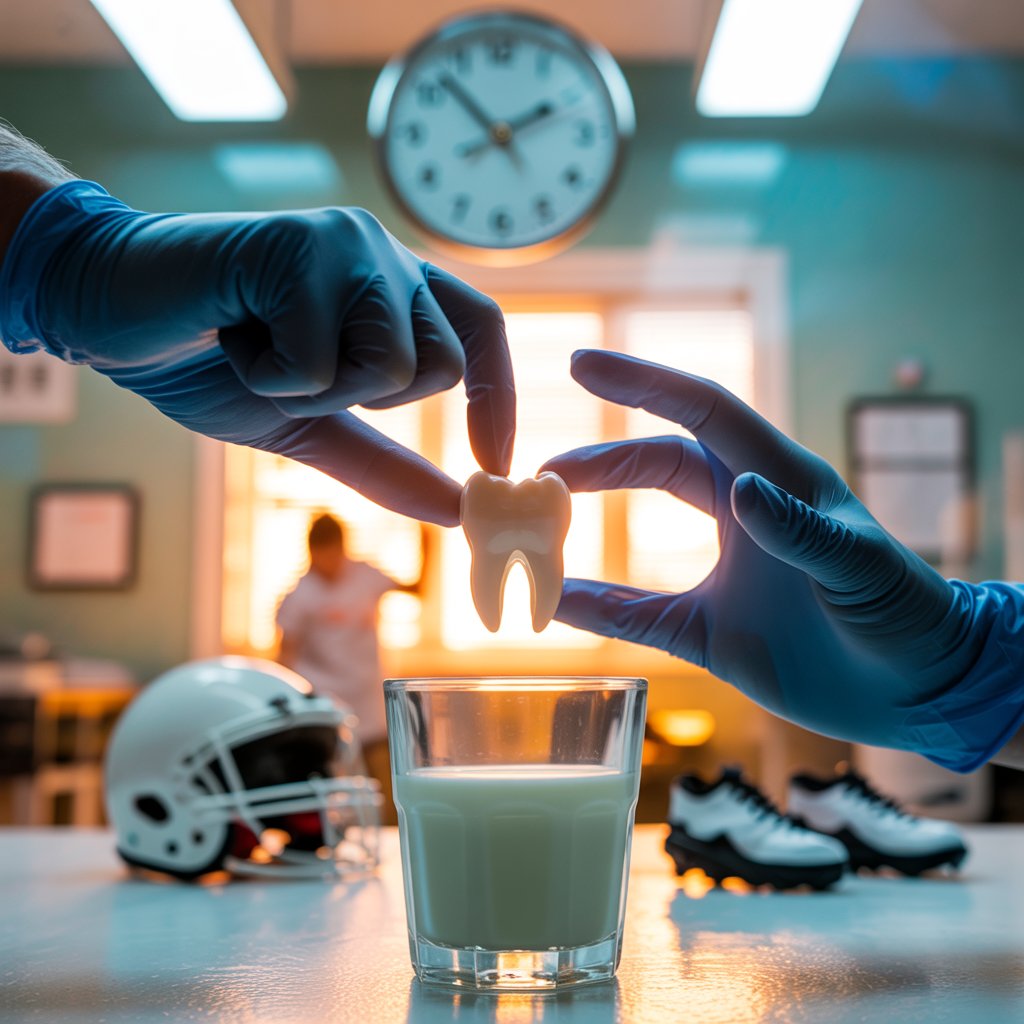
Contact a dentist or after-hours dental service promptly for guidance. If a permanent tooth is knocked out, keep it moist in milk while seeking immediate care. If symptoms suggest a medical emergency, go to an emergency department.
What qualifies as a dental emergency?
A knocked-out permanent tooth, severe or persistent tooth pain, a significant dental injury, or swelling may require urgent dental assessment. Call a dentist to describe the symptoms and determine timing. Uncontrolled bleeding or difficulty breathing or swallowing requires emergency medical care.
Ends · RAFAELOKTA572