Emergency Dentist Advice for Cracked Teeth During Meals
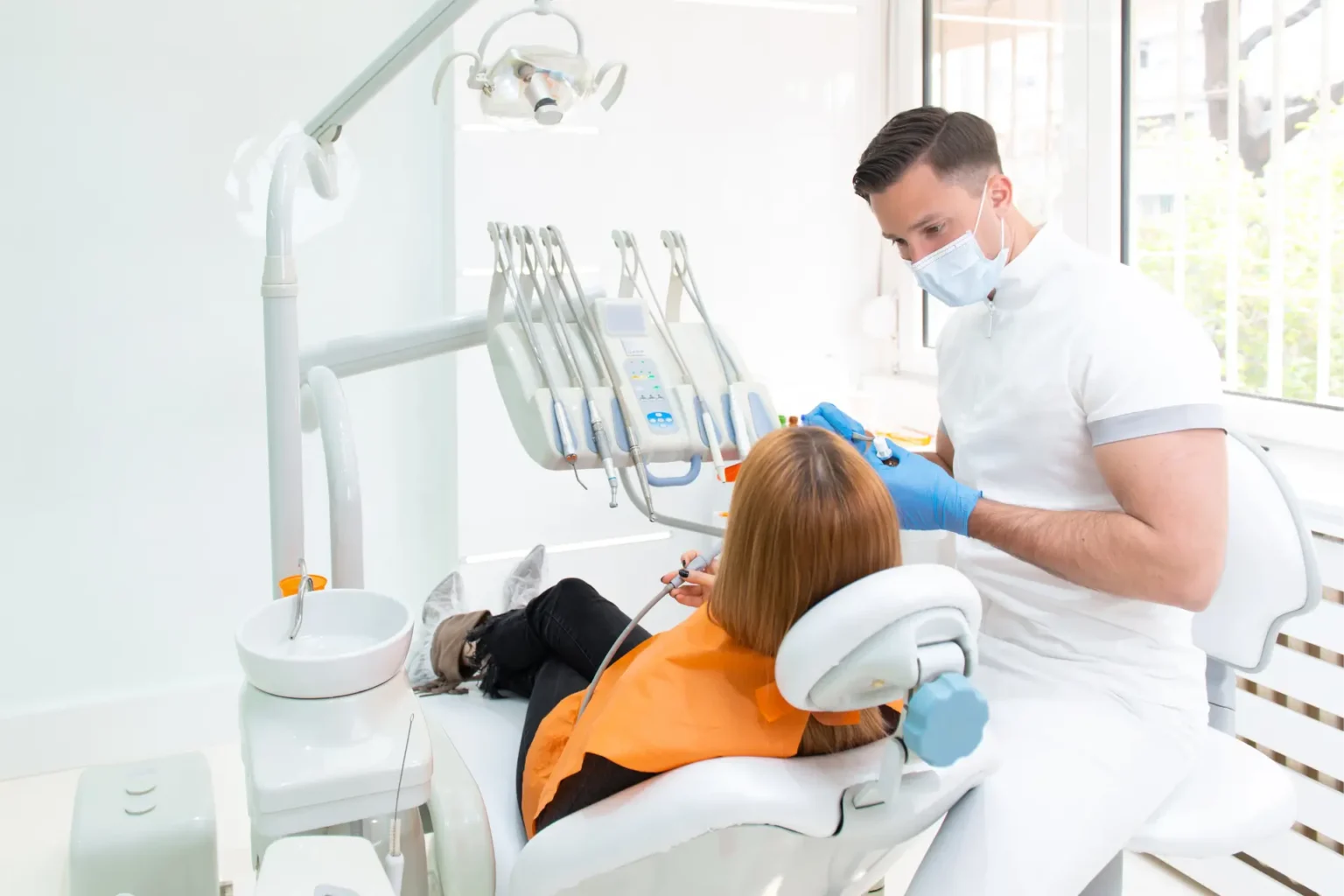
A cracked tooth often announces itself in the middle of an ordinary meal. One second you are chewing a piece of crusty bread, a nut, or a cube of ice you should not have been crunching, and the next there is a sharp jolt, a strange gritty sensation, or the unmistakable feeling that something is no longer right. For most people, the first question is simple and urgent: do I need help now, or can this wait until tomorrow?
That is exactly where good judgment matters. A crack can be small and stable, or it can run deep enough to threaten the nerve, split the tooth structure, or leave sharp edges that keep worsening with every bite. The difference is not always visible in the bathroom mirror. What matters is how the tooth feels, what triggered the break, whether a piece came off, and whether you can close your teeth together without pain.
From an Emergency Dentist perspective, the best advice is usually practical rather than dramatic. Protect the tooth, control pain, avoid making it worse, and get the right exam quickly. Time does not save a cracked tooth. Sometimes time costs it.
Why teeth crack during meals more often than people expect
Most people assume a tooth cracks only after obvious trauma, such as a fall or a hit to the face. In practice, many cracks happen quietly at the dinner table. Teeth fail under pressure when structure has already been weakened, sometimes for years.
A filling that has grown old and leaky can leave the surrounding enamel unsupported. A back tooth that has had a root canal may be more brittle if it was never crowned. Habitual clenching and grinding place repeated stress on the cusps, especially the pointed chewing surfaces of molars and premolars. Then one hard bite on a popcorn kernel, olive pit, nut shell, or even a dense piece of crust can be enough to finish the job.
Age matters too. Teeth flex slightly under normal chewing. Over time, thousands of chewing cycles, old restorations, and minor wear lines can turn that flexibility into a vulnerable point. That is why a person can say, quite honestly, “I was just eating something normal,” and still end up with a real fracture.
The location of the crack also changes the story. Front teeth often chip, which can be upsetting but not always urgent in a biological sense unless the nerve is exposed. Back teeth are different. Molars do the heavy work. When they crack, patients often feel pain on release, meaning the tooth hurts not only when they bite down, but when they let go. That pattern often points to a crack moving under chewing pressure.
What to do in the first 15 minutes
If a tooth cracks during a meal, the first goal is to stop testing it. People naturally tap it with their tongue, bite again to check whether it still hurts, or keep chewing on the other side while fragments shift around. That can turn a repairable problem into a larger fracture.
Take a calm, systematic approach:
- Stop eating immediately and remove any food from your mouth.
- Rinse gently with lukewarm water to clear debris and help you see whether part of the tooth broke off.
- If you find a fragment, save it in a clean container, though many pieces cannot be reattached.
- Avoid chewing on that side and keep the tooth out of function until you are examined.
- Call an Emergency Dentist if there is pain, a missing chunk, sharp edges, swelling, or sensitivity that lingers.
That first rinse tells you more than most people realize. If cold water causes a quick sting that vanishes, the crack may be superficial or may involve exposed dentin. If the pain is intense, throbbing, or continues after the rinse, the pulp inside the tooth may be irritated or exposed. Bleeding from the gum around the tooth can mean trauma to surrounding tissues or, in some cases, a fracture line extending below the gumline.
If there is a sharp edge scraping your tongue or cheek, dental wax from a pharmacy can help temporarily. Sugar-free gum can work in a pinch if nothing else is available, though wax is cleaner and safer. The goal is only to protect soft tissue until you are seen, not to seal the tooth permanently.
Signs the crack needs same-day dental attention
Not every cracked tooth demands midnight treatment, but some situations should move you toward same-day care without debate. Pain is the obvious clue, yet the type of pain matters just as much as the intensity.
A tooth that hurts when you bite and then eases when you stop can indicate a crack that opens and closes under force. A tooth that suddenly becomes very sensitive to cold air or water after a meal may have lost enough enamel to expose dentin or even involve the nerve. A visible missing cusp, which is one of the chewing points of a molar, often leaves the tooth structurally compromised even if the pain seems manageable.
Swelling changes the urgency. A crack by itself does not always cause swelling right away, but if bacteria have reached the pulp or surrounding tissues, swelling can develop rapidly. That moves the problem out of the “watch and wait” category.
The situations that most often justify urgent evaluation include the following:
- Significant pain when biting or releasing pressure
- A visible piece of tooth missing, especially on a molar
- Persistent sensitivity to cold, heat, or sweets
- Swelling of the gum, face, or jaw
- Difficulty closing your teeth together normally
A patient once described it perfectly after cracking a lower molar on a roasted almond. He said it felt as if “the tooth moved by a millimeter every time I chewed.” Teeth do not actually wobble that way from a simple cusp fracture, but that sensation of movement is common when a crack flexes under load. It is a useful description, and it often points to a tooth that should be examined quickly.
Pain control without making the problem worse
When a cracked tooth strikes during dinner or at a restaurant, people often reach for whatever is closest. Some remedies help. Others create new problems.
Over the counter pain relievers are usually reasonable if you can take them safely and they do not conflict with your medical history. Ibuprofen or acetaminophen are commonly used, depending on what your physician and dentist have advised for you in the past. A cold compress on the outside of the cheek can reduce discomfort if there is inflammation. Keep it brief and intermittent rather than pressing ice directly against the tooth.
What should be avoided is just as important. Do not place aspirin directly on the gum. That old home trick can chemically irritate or burn soft tissue. Do not keep chewing to “see if it settles down.” Do not try to glue the tooth yourself with household adhesive. Products not made for oral use can be toxic, difficult to remove, and damaging to the tooth surface.
Food choices matter until you are seen. Soft foods are safest, but even there, use the unaffected side. Soups that are not too hot, yogurt, eggs, mashed vegetables, oatmeal, and pasta are usually manageable. Extremely hot coffee, ice water, crunchy snacks, sticky candy, and seedy foods can all aggravate the fracture or pack debris into it.
What an Emergency Dentist is looking for
A cracked tooth evaluation is not just a quick glance with a mirror. An experienced Emergency Dentist is trying to answer several questions at once: how deep is the crack, is the nerve involved, is the tooth restorable, and can it be stabilized before the fracture spreads?
The exam often starts with the patient’s story. The exact food matters more than many realize. A crack that occurred while chewing something hard suggests structural overload. A crack that happened during a normal soft meal may raise more concern about a pre-existing weakness, deep decay, or a failing restoration. The dentist will often ask whether the pain occurs on biting down, on release, or spontaneously without chewing at all. That pattern helps narrow the diagnosis.
X-rays are useful, but patients are often surprised that cracks do not always show clearly on them. A radiograph can reveal decay, bone changes, old fillings, or a split segment if the separation is significant, yet fine crack lines can remain invisible. That is why the clinical exam matters so much. Dentists may use bright transillumination, bite tests on a cotton roll or instrument, periodontal probing around the gumline, and magnification to assess the tooth.
If the tooth has a missing cusp but the remaining structure is sound and the nerve appears calm, treatment may involve smoothing the area, placing a protective temporary or permanent restoration, and planning a crown. If the pulp is inflamed beyond recovery, root canal treatment may be needed before final restoration. If the crack runs vertically below the gumline and separates the tooth in a way that cannot be predictably repaired, extraction may be the most honest recommendation.
That range is hard for patients to hear, especially when the crack began with one bite of dinner and not a dramatic accident. But that is the reality of tooth fractures. Two teeth can break in similar ways and need completely different treatment.
The cracks that are easier to save, and the ones that are not
Not all cracks carry the same prognosis. Small enamel craze lines, which are those fine surface lines people sometimes notice on front teeth, are often cosmetic and not true emergencies. Chipped enamel without pain can sometimes wait a short time, though sharp edges still deserve attention.
A cracked cusp on a back tooth is common and often salvageable if caught early. In many cases, the broken portion can be removed and the tooth can be rebuilt, frequently with a crown or onlay. These are the cases where quick action really helps. If a patient avoids chewing on the tooth and gets in promptly, the tooth often stays restorable.
A crack that reaches into the pulp is more serious. These teeth may start with sensitivity and escalate into spontaneous pain or lingering cold pain. Root canal therapy may save them if the remaining tooth structure is strong enough.
The hardest scenario is the true split tooth or deep vertical root fracture. Patients may report pain that comes and goes, swelling near the gum, or a sense that the tooth is never comfortable. If the fracture divides the tooth in a way that extends below the gum and into the root, long-term repair is often not realistic. No one likes that outcome, but clear diagnosis prevents money and time from being spent on treatment that will fail.
When the hospital is the wrong stop, and when it is the right one
People frequently ask whether to go to the emergency room for a cracked tooth. Most of the time, the better destination is an Emergency Dentist. Hospitals are equipped for medical emergencies, airway issues, uncontrolled bleeding, severe trauma, and spreading infection. They generally do not provide definitive treatment for a fractured tooth, such as crowns, root canals, or extractions by a general dentist on demand.
There are exceptions. If the cracked tooth is part of a larger facial injury, if there is heavy bleeding that will not stop, if swelling is affecting breathing or swallowing, or if fever and facial swelling suggest a rapidly spreading infection, hospital care may be the right first step. Those are medical emergencies, not just dental ones.
In the more typical meal-related fracture, dental urgent care is the appropriate route. The goal is not simply pain relief. It is diagnosis and stabilization. A temporary sedative filling, smoothing of a fracture, bonding of Emergency Dentist a chipped edge, splinting of a damaged tooth, or a same-day extraction when necessary can all change the course of the problem.
What treatment may look like over the next few days
Patients often want to know, right away, whether one visit will solve everything. Sometimes it does. A small chip can be polished or bonded in one appointment. A broken cusp may be stabilized quickly and restored later. But deeper cracks often unfold in stages.
The first visit is sometimes about protecting the tooth and reducing symptoms. That may involve a temporary crown, a sedative material, adjustment of the bite so the tooth is not taking heavy pressure, or medication when infection is involved. The final treatment plan may wait until the tooth settles enough to reveal whether the nerve will recover.
This staged approach can feel uncertain, but it reflects sound clinical judgment. A tooth that seems saveable on day one may declare deeper pulpal damage over the next week. Another that looks ominous may become comfortable once the unstable segment is supported. Good dentists do not guess more than the tooth allows them to know.
Cost is part of the discussion too. A bonded repair is less expensive than a crown. A crown is less expensive than root canal therapy plus a crown. Extraction may cost less up front than saving the tooth, but replacement with an implant or bridge usually changes that math. An experienced clinician should explain not only what can be done, but what is likely to last.
The mistakes that turn a manageable crack into a bigger repair
Cracked teeth are often lost not from the initial damage, but from what happens in the day or two after. Patients delay because the pain is “not that bad,” then continue chewing steak, granola, or crusty toast on the injured side. The fracture propagates, bacteria seep deeper, and a simple crown case becomes a root canal case, or worse, an extraction.
Another common mistake is assuming that if pain fades, the problem is over. Teeth can become less painful for Emergency Dentist several reasons, and not all of them are good. Sometimes the nerve dies. Sometimes the broken segment shifts and stops moving temporarily. Relief does not guarantee healing.
Nighttime grinding is another hidden factor. A tooth that cracked during dinner may be subjected to far greater force overnight if the person clenches in sleep. That is one reason dentists sometimes recommend rapid coverage or protective planning even when symptoms seem modest.
How to eat until you are treated
Patients appreciate specifics here, because “be careful” is too vague to be useful. For the first 24 to 48 hours, think in terms of reducing force, temperature extremes, and stickiness. Choose foods that require minimal chewing and keep them on the opposite side. Cut food into smaller pieces even if you are eating something soft. Drink through the center of the mouth rather than swishing cold liquids over the painful area.
If the tooth is very temperature sensitive, room-temperature foods are usually easiest. If a front tooth chipped, be careful with sandwiches, apples, and crusty bread, because the tearing motion of biting with front teeth can reopen the fracture line or shear off more enamel. If a back tooth cracked, avoid nuts, chips, raw vegetables, popcorn, and chewy candy until you have been treated.
Preventing the next crack after this one is fixed
A tooth that cracks during a meal often reveals a larger pattern. Prevention is not glamorous, but it is where long-term value lives. The person who breaks one molar on a popcorn kernel may have several heavily restored teeth carrying similar stress.
The most useful prevention steps are usually straightforward:
- Do not chew ice, unpopped kernels, bones, or hard candy
- Replace failing large fillings before the surrounding tooth fractures
- Wear a night guard if you clench or grind
- Get recommended crowns on structurally weakened teeth
- Have new bite pain checked early rather than “waiting it out”
One of the most preventable scenarios is the root canal tooth left without proper coverage. Posterior teeth that have had endodontic treatment often need crowns because they have lost internal moisture balance and structural support from previous decay or fillings. Patients sometimes postpone the crown when the tooth stops hurting after the root canal. Months later, a routine meal finishes what the untreated structure could not handle.
Bite alignment matters as well. A single tooth that hits early every time you close can absorb more force than it should. A small adjustment in the right case can reduce repeated overload. So can replacing a worn guard, correcting a fractured filling, or rebuilding a flattened chewing surface.
The human side of a cracked tooth emergency
There is a reason cracked teeth create outsized anxiety. They happen suddenly, interfere with eating, and carry uncertainty. People worry about pain, appearance, cost, work schedules, and whether they have somehow caused permanent damage with one careless bite.
Most have not. Usually, the meal was just the final moment, not the whole story. The tooth had likely been under strain for some time. That perspective helps patients move away from blame and toward action. The right next step is not replaying the meal. It is getting the tooth assessed before a crack deepens.
From the chairside view, the best outcomes usually come from patients who call promptly, avoid testing the tooth, and describe the symptoms clearly. “It hurts only when I let go after biting” is more useful than “it kind of feels weird.” “A back corner broke off and cold water stings for 20 seconds” helps more than “something happened while eating.” Details guide urgency.
If you crack a tooth during a meal, treat it with respect even if the discomfort seems minor. Teeth do not mend the way skin does. They can be reinforced, restored, protected, or replaced, but they do not heal closed from a structural fracture. Early care is often the difference between a straightforward repair and a far more involved treatment plan.
That is the core advice any seasoned Emergency Dentist would give. Stop chewing on it, keep it clean, manage the pain sensibly, and get it examined before the next meal turns a crack into a split.
Vitality Dental
1220 Coit Rd # 106, Plano, TX 75075, United States
+1 972-645-4100
FAQ About Emergency Dentist
What counts as a dental emergency?
A knocked-out tooth, significant mouth injury, severe tooth pain, or painful swelling warrants prompt evaluation. Call your dentist and describe your symptoms so the office can advise you on how urgently you need care.
What should I do if I knock out a permanent tooth?
Call a dentist immediately. Handle the tooth by the crown, avoid touching the root, and keep it moist. If you cannot put it back into the socket easily, transport it in milk or a tooth-preservation solution. Bring it with you to the appointment.
Should I go to the emergency room for a dental emergency?
Seek emergency medical care right away if you have trouble breathing or swallowing, uncontrolled bleeding, or a serious facial injury. For an isolated tooth injury or toothache without those symptoms, call a dentist promptly for guidance.
Ends · RAFAELOKTA572