Dental Emergency Checklist: What to Do Step by Step
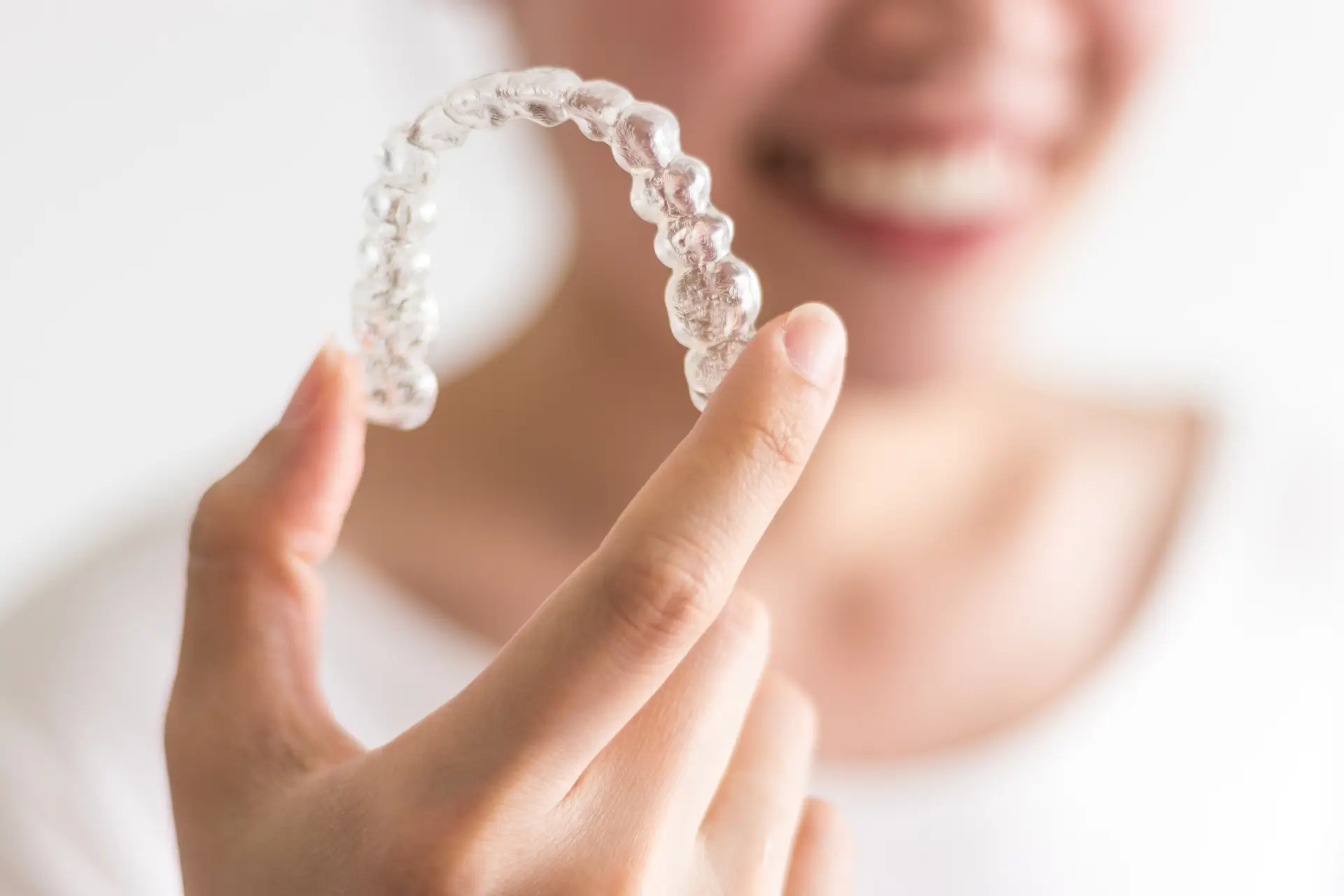
A true dental emergency has a way of collapsing your sense of time. One minute you are eating lunch, coaching a child through homework, or getting ready for bed. The next, there is blood in the sink, a tooth on the floor, or a pain so sharp it makes you pace the room. In that moment, people often do one of two things: they panic, or they wait too long. Neither helps.
What does help is a calm, practical sequence. Most dental emergencies are manageable in the first hour if you know what to do, what not to do, and when the situation has crossed from urgent dental care into a medical emergency. I have seen small, well-timed decisions make a major difference, especially with knocked-out teeth, swelling, and uncontrolled bleeding. I have also seen well-meaning home remedies make things worse, particularly aspirin placed on gums, prolonged delays, and attempts to "tough it out" through signs of infection.
This guide walks through a step-by-step Dental Emergency checklist in plain language. It is meant to help you respond safely until a dentist or physician can take over.
Start with the big question: is this dental, or is it medical?
Not every tooth problem belongs in a dental chair. Some belong in an emergency department immediately. The easiest way to think about it is this: if the problem threatens breathing, swallowing, or bleeding control, you are no longer dealing with a routine urgent dental visit.
A cracked molar that hurts when you bite is painful, but it is usually a dental-office problem. A rapidly expanding swelling under the jaw that makes it hard to swallow is different. That can become dangerous quickly because infections in the mouth and face do not always stay local. They can spread into deeper spaces of the head and neck.
The same is true for trauma. A chipped front tooth from a sports injury may be time-sensitive, but a facial injury with loss of consciousness, confusion, vomiting, or suspected jaw fracture needs medical evaluation first. Teeth matter, but airway and head injury take priority every time.
The first five steps
When people ask what to do first during a Dental Emergency, the answer is usually simpler than they expect. You want to control the scene before you try to solve the whole problem.
- Stop and assess the situation. Check bleeding, swelling, breathing, level of pain, and whether a tooth is broken, loose, or completely out.
- Rinse the mouth gently with lukewarm water. This clears blood and debris without irritating tissue further.
- Control bleeding with clean gauze or a clean cloth, using steady pressure for 10 to 15 minutes.
- Call a dentist right away and describe exactly what happened, when it happened, and what symptoms are present.
- If there is trouble breathing, trouble swallowing, severe facial trauma, or bleeding that will not slow, go to the emergency room immediately.
Those five steps cover the first few minutes. After that, the right response depends on the kind of emergency.
If a tooth is knocked out
This is one of the few situations in dentistry where minutes matter in a very literal way. A permanent tooth that has been completely knocked out, called an avulsed tooth, sometimes can be replanted successfully if it is handled correctly and treated quickly. The best outcomes tend to happen when reimplantation is attempted as soon as possible, ideally within 30 minutes, though treatment may still be worthwhile beyond that.
Pick the tooth up by the crown, which is the part you normally see in the mouth. Do not touch the root unless there is no way around it. The root surface contains delicate periodontal ligament cells, and rough handling lowers the chance that the tooth will reattach well.
If the tooth is visibly dirty, rinse it very briefly with milk or saline if available. Clean water is acceptable if that is all you have, but do not scrub, scrape, or wrap the tooth in tissue. I have seen teeth arrive in a dry paper towel after an hour in a hot car. At that point, the odds are not good. Moisture matters.
If it is a permanent adult tooth and the person is alert and cooperative, you can try to place the tooth back into the socket gently, facing the correct direction. Bite down softly on gauze to hold it in place. If that feels too difficult or unsafe, keep the tooth moist in cold milk or inside the person's cheek if they are old enough not to swallow it. A commercial tooth preservation kit is excellent if you happen to have one, but most households do not.
This advice does not apply to a baby tooth. Do not attempt to reinsert a knocked-out primary tooth. You can injure the developing permanent tooth underneath. In that case, call a pediatric dentist, control bleeding, and keep the child comfortable.
If the tooth is cracked, broken, or chipped
A broken tooth covers a wide range, from a tiny enamel chip to a deep fracture into the nerve. The response depends on pain, sensitivity, and how much structure is missing.
Rinse the mouth gently and save any broken pieces if you can find them. Sometimes they are useful, especially in front teeth. Apply a cold compress on the outside of the face in 10-minute intervals to limit swelling. If the tooth has a sharp edge, orthodontic wax or even sugar-free gum can cover it temporarily to keep it from slicing the lip or tongue.
Pain is a useful clue here. A small chip with no pain can usually wait for a prompt dental appointment during office hours. A crack with sharp pain on biting, sensitivity to cold, or visible pink or red tissue in the center of the tooth is more urgent. That often means the inner part of the tooth is involved, and delays increase the chance that the tooth will need root canal treatment or extraction.
One point that surprises people is how deceptive molar fractures can be. I have seen teeth that look almost normal above the gum line but produce intense pain because the crack extends deeper. If every bite feels like a jolt, or if the pain lingers after cold drinks, assume it needs attention sooner rather than later.
If there is a severe toothache
A bad toothache is one of the most common reasons patients seek emergency dental care, and it is also one of the easiest to underestimate. Pain that wakes you up, radiates toward the ear, or builds over a day or two often points to inflammation or infection inside the tooth.
Start with a rinse of warm salt water if that feels soothing. Floss gently around the painful tooth because food packing can mimic a major problem, especially between molars. If the pain improves immediately after something dislodges, that is useful information to tell the dentist.
Over-the-counter pain relievers can help, if the person can safely take them based on age, medical history, allergies, pregnancy status, and dosing instructions. What should not happen is placing aspirin or other medication directly against the gums. That old home remedy can cause a chemical burn. Dentists still see this, and it adds one more injury to an already painful situation.
A toothache becomes more urgent when it comes with swelling, fever, a bad taste in the mouth from drainage, pain on opening the mouth, or tenderness under the jaw. Those signs raise concern for infection rather than inflammation alone. An infection can sometimes smolder for days and then accelerate quickly. If the face is visibly enlarging over hours, do not wait for the next available routine appointment.
If a filling, crown, or veneer comes off
This feels dramatic, but it is not always an emergency in the strictest sense. Many lost fillings and crowns are urgent because the exposed tooth can become painful or fragile, but they are not usually dangerous unless there is severe pain, swelling, or trauma involved.
If a crown comes off, keep it. Do not throw it away. In some cases, a dentist can clean it and recement it, which is faster and less expensive than making a new one. If the tooth underneath is sensitive to air or temperature, covering it temporarily with over-the-counter dental cement can reduce discomfort. A dab of toothpaste can even help briefly as a barrier if nothing else is available, though it is not a true fix.
Do not use household glue. It sounds obvious, but people do it. Super glue in the mouth creates a mess that is hard to remove and can damage both the restoration and the surrounding tissue.
A lost filling or crown becomes more urgent when a large portion of tooth structure is exposed, the tooth is throbbing, or the bite feels unstable. A front-tooth crown before a wedding may feel like a social emergency, and that is understandable, but a molar with an exposed nerve is the one that demands the faster clinical response.
If there is swelling or a possible abscess
Swelling is where judgment matters most. Mild gum tenderness around a wisdom tooth is one thing. A rapidly enlarging cheek, puffy eyelid, or firm swelling under the jaw is another.
An abscess does not always look dramatic at first. It may start as throbbing pain, pressure, or a gum pimple that drains a salty or foul-tasting fluid. Sometimes the pain actually Dental Emergency decreases once drainage begins, which can fool people into thinking the problem is resolving on its own. Usually it is not. The source remains.
A cold compress on the outside of the face may improve comfort. Heat is more controversial. Some patients find warm compresses soothing, but with visible facial swelling, cold tends to be the safer simple measure at home while you arrange care. Do not press hard on a swollen area and do not try to lance it yourself.
The red flags are fever, malaise, spreading swelling, difficulty opening the mouth, difficulty swallowing, a change in voice, or any sense that the tongue or floor of the mouth is being pushed upward. Those signs can indicate a deeper infection. They deserve same-day professional attention, and sometimes emergency department care rather than a dental office.
If the mouth is bleeding
Bleeding after an injury, after an extraction, or from gum trauma can look like more blood than it really is because saliva spreads it. The right first move is direct pressure. Fold clean Dental Emergency gauze, place it over the area, and bite down or press steadily for 10 to 15 minutes without repeatedly checking. Constant peeking interrupts clot formation.
If the bleeding follows a recent extraction, a slightly damp tea bag can sometimes help because the tannins may assist clotting. That said, pressure is still doing most of the work. Keep the head elevated, avoid vigorous rinsing, and do not spit forcefully.
When bleeding does not slow after repeated firm pressure, or when the person is on blood thinners and the amount seems significant, the situation needs prompt professional help. Oozing is common. Active bleeding that soaks gauze repeatedly is not something to sit on all night.
If braces, wires, or appliances cause injury
Orthodontic emergencies are rarely dangerous, but they can be miserable. A loose bracket can often wait a day or two if it is not painful, but a poking wire can cut the cheek badly enough to interfere with eating and sleeping.
Orthodontic wax is the usual first aid. If you do not have wax, a small piece of sugar-free gum can serve briefly. Sometimes a protruding wire can be tucked carefully with a clean cotton swab. Cutting the wire at home is not ideal unless you have clear instructions from your orthodontist and the right tool. Tiny cut ends can disappear into the mouth and be swallowed or inhaled.
Retainers and aligners create a different kind of emergency. If an appliance cracks sharply or no longer fits after trauma, stop wearing it until your orthodontist advises you. Forcing a damaged appliance into place can create sores or move teeth in the wrong direction.
When a child is the patient
Children add urgency because fear, tears, and incomplete explanations can make even a straightforward problem feel chaotic. The principles are the same, but communication becomes part of the first aid.
A child with a mouth injury often spits and cries, which makes it hard to tell whether blood is coming from the lips, gums, tongue, or a tooth socket. Good lighting matters. So does a calm adult voice. If there has been a fall, ask whether the child hit the chin. Chin trauma can transmit force to the jaw joints and back teeth even if the front of the mouth looks fine.
One common point of confusion is loose baby teeth after a bump. Do not test them repeatedly. Call a pediatric dentist and let them guide you. Sometimes observation is enough. Sometimes the position of the tooth affects the bite or risks aspiration. The answer depends on age, which tooth it is, and whether the child can close comfortably.
If a permanent front tooth is knocked out in a school-age child, treat it the same as an adult permanent tooth and act quickly. This is one of those moments where parents who know the difference between a baby tooth and a permanent tooth can make a real difference to the outcome.
Pain relief while you wait
The waiting period between the incident and the appointment is where people are tempted into bad decisions. Most problems tolerate a few hours better than they tolerate aggressive DIY fixes.
These measures are usually sensible while you wait for care:
- Use a cold compress outside the face for swelling or trauma, 10 minutes on and 10 minutes off.
- Eat soft foods and chew on the opposite side if chewing makes pain worse.
- Keep the area clean with gentle rinsing, not forceful swishing.
- Take only medications that are appropriate for the person's age and health history, following the label or clinician advice.
- Protect sharp broken edges with orthodontic wax if available.
What tends to backfire is heat held against a growing facial swelling, using pliers or tweezers in the mouth without a clear reason, gluing restorations in place with non-dental products, or delaying care because the pain temporarily eased. Pain can drop as a nerve dies or an abscess drains. Neither means the underlying problem is solved.
What to tell the dentist when you call
A useful emergency call saves time. Front desk teams are trying to sort true emergencies from problems that can wait, and the quality of your description affects how fast they can move.
Say what happened, when it happened, where the pain or injury is, whether there is swelling, whether a tooth is loose or out, and whether there is fever or trouble swallowing. If trauma is involved, mention any blow to the head, loss of consciousness, or cuts that may need stitches. If the patient takes blood thinners, has diabetes, is immunocompromised, or is pregnant, say so up front. Those details change the urgency and the treatment plan.
Photos can help when the office requests them, especially for swelling, broken front teeth, and appliance problems. They are not a substitute for an exam, but they can help a team decide whether to bring you in immediately or direct you elsewhere.
The problems that should send you to the emergency room
Most Dental Emergency situations belong with a dentist. A smaller but very important group belongs in a hospital setting because the risks go beyond the tooth.
Go to the emergency room, or seek immediate emergency care, if any of the following are happening:
- Difficulty breathing or swallowing
- Rapidly spreading swelling of the face, jaw, or floor of the mouth
- Uncontrolled bleeding after firm pressure
- Major facial trauma, suspected jaw fracture, or head injury
- Fever with worsening swelling and significant illness or dehydration
This distinction matters because emergency rooms are not designed to provide definitive dental treatment such as root canals or crown repair. They are there to stabilize dangerous infections, bleeding, fractures, and systemic complications. When the danger is controlled, follow-up with a dentist is still necessary.
A home kit that earns its keep
Most households have a general first-aid box, but not a dental one. It does not need to be elaborate. A few basic items make urgent situations much easier to handle: clean gauze, a small container with a lid, saline, orthodontic wax, a digital thermometer, and the phone number of your dentist or pediatric dentist saved somewhere visible. If your family has active kids in sports, a tooth preservation kit is worth considering. They are inexpensive compared with the cost of losing a permanent tooth.
The other item that earns its keep is a properly fitted mouthguard. It will not prevent every sports injury, but it reduces the severity of many of them. From a practical standpoint, prevention is far cheaper and far less painful than emergency reconstruction.
The judgment call people struggle with most
The hardest part of a Dental Emergency is not always the pain. It is uncertainty. People wonder if they are overreacting, whether they can wait until morning, or whether the office will think the problem is not serious enough. That hesitation is understandable, but there is a useful rule of thumb: if there is significant pain, visible swelling, bleeding that needs active control, trauma to a permanent tooth, or a problem that changes eating, speaking, breathing, or sleep, it deserves a same-day call.
Dentistry has a broad middle ground between "watch it" and "call 911." That is where urgent dental care lives. You do not need to diagnose the exact problem at home. You only need to recognize that something is wrong, protect the area from further harm, and get the patient to the right place promptly.
A well-managed emergency rarely looks heroic. It looks organized. Someone finds gauze. Someone saves the broken piece. Someone calls the dentist before searching the internet for an hour. Those simple acts are usually what preserve options. And in dentistry, preserving options often means preserving the tooth itself.
Vitality Dental
Address: 1220 Coit Rd #106, Plano, TX 75075
Phone number: +19726454100
FAQ About Dental Emergency
What can the ER do for a tooth?
An emergency room (ER) can manage pain and treat severe infections with medication, but it cannot fix or pull a tooth.
What is considered a dental emergency?
A dental emergency is any oral health problem that involves severe pain, uncontrollable bleeding, or an infection that threatens your health or requires immediate care to save a tooth.
Is there a 24-hour dental service in Plano, TX?
There is no physical dental clinic in Plano, Texas, that stays open with walk-in staff 24 hours a day, but several offices offer 24/7 phone support, late-night hours, or same-day emergency care.
Ends · RAFAELOKTA572